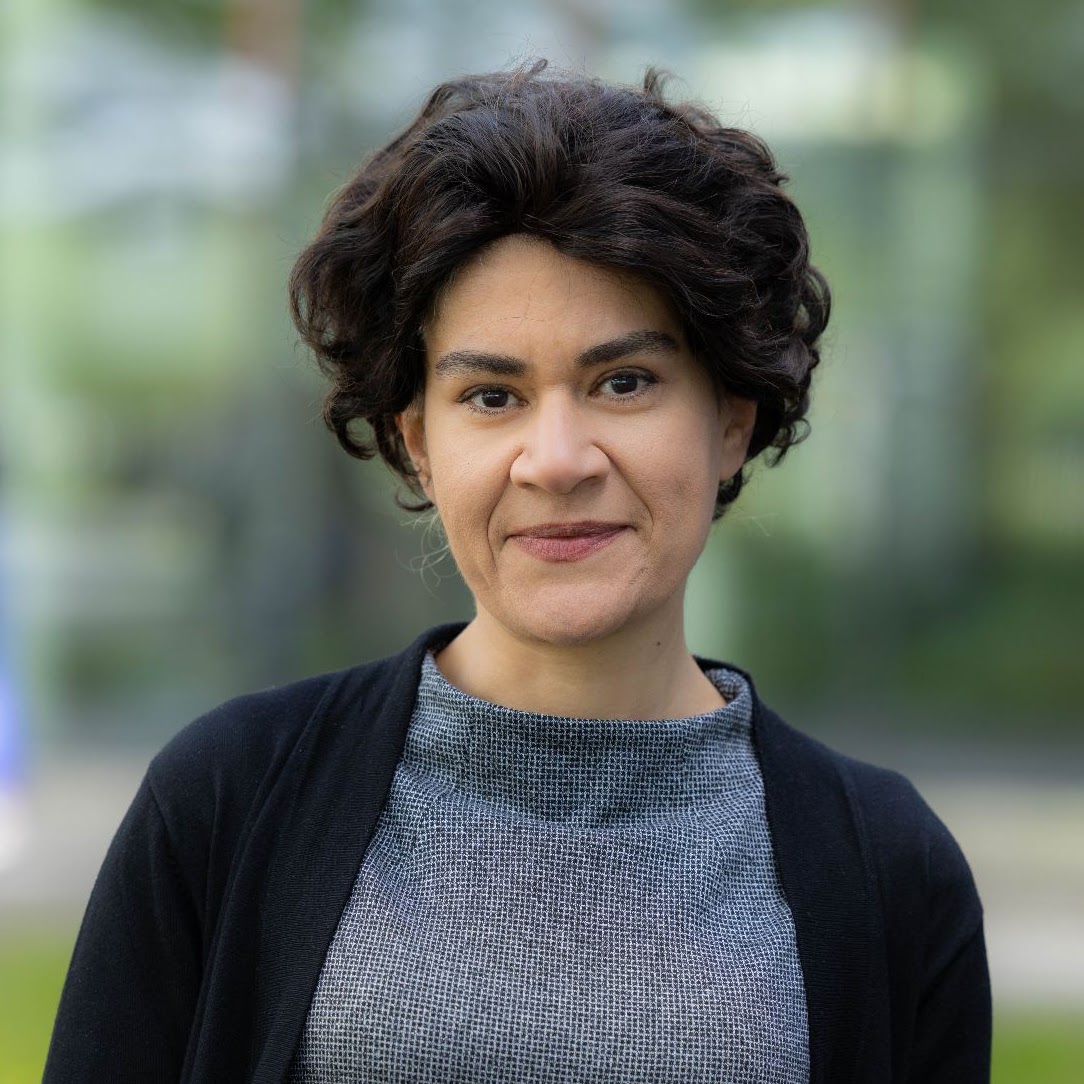
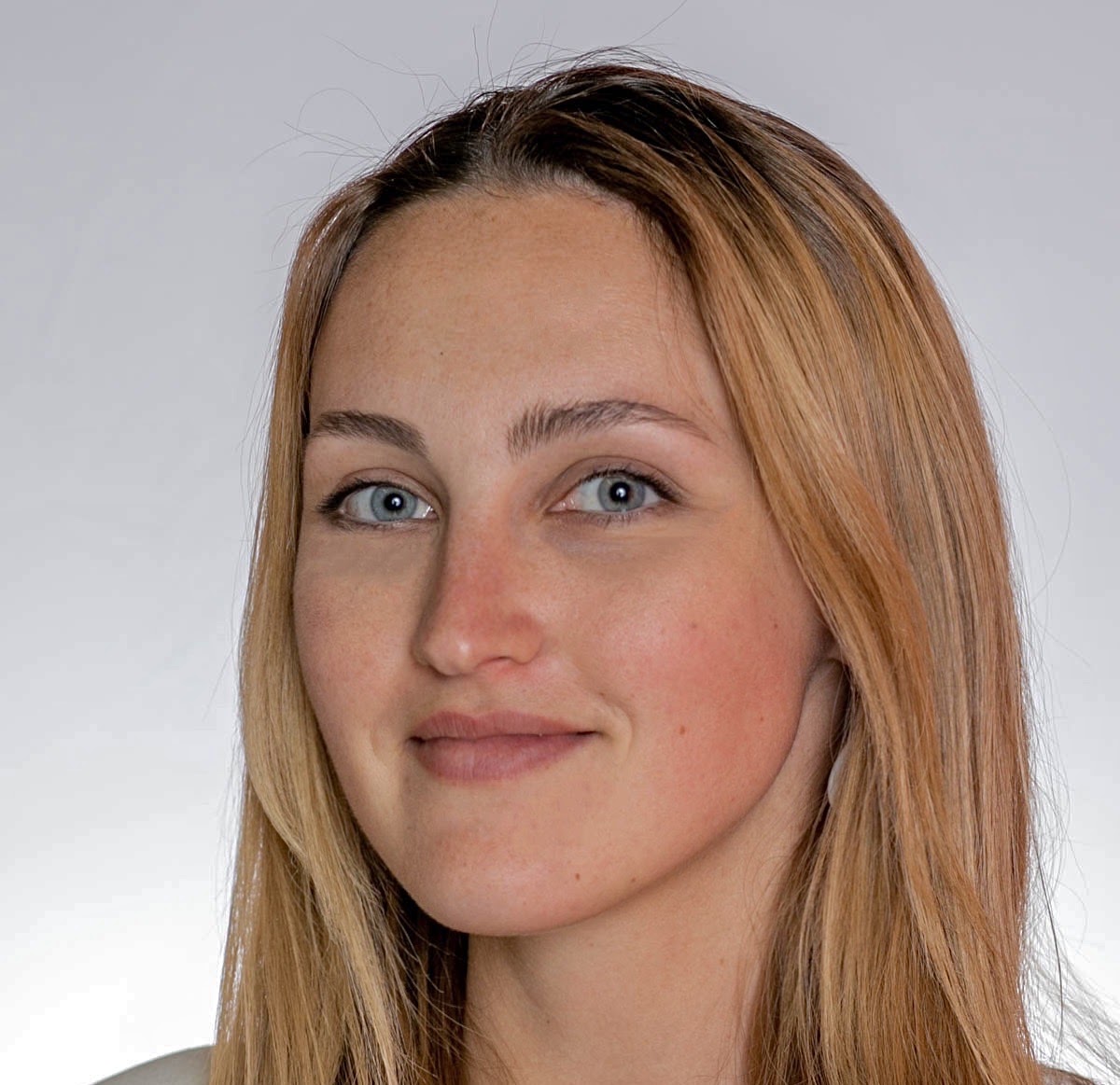
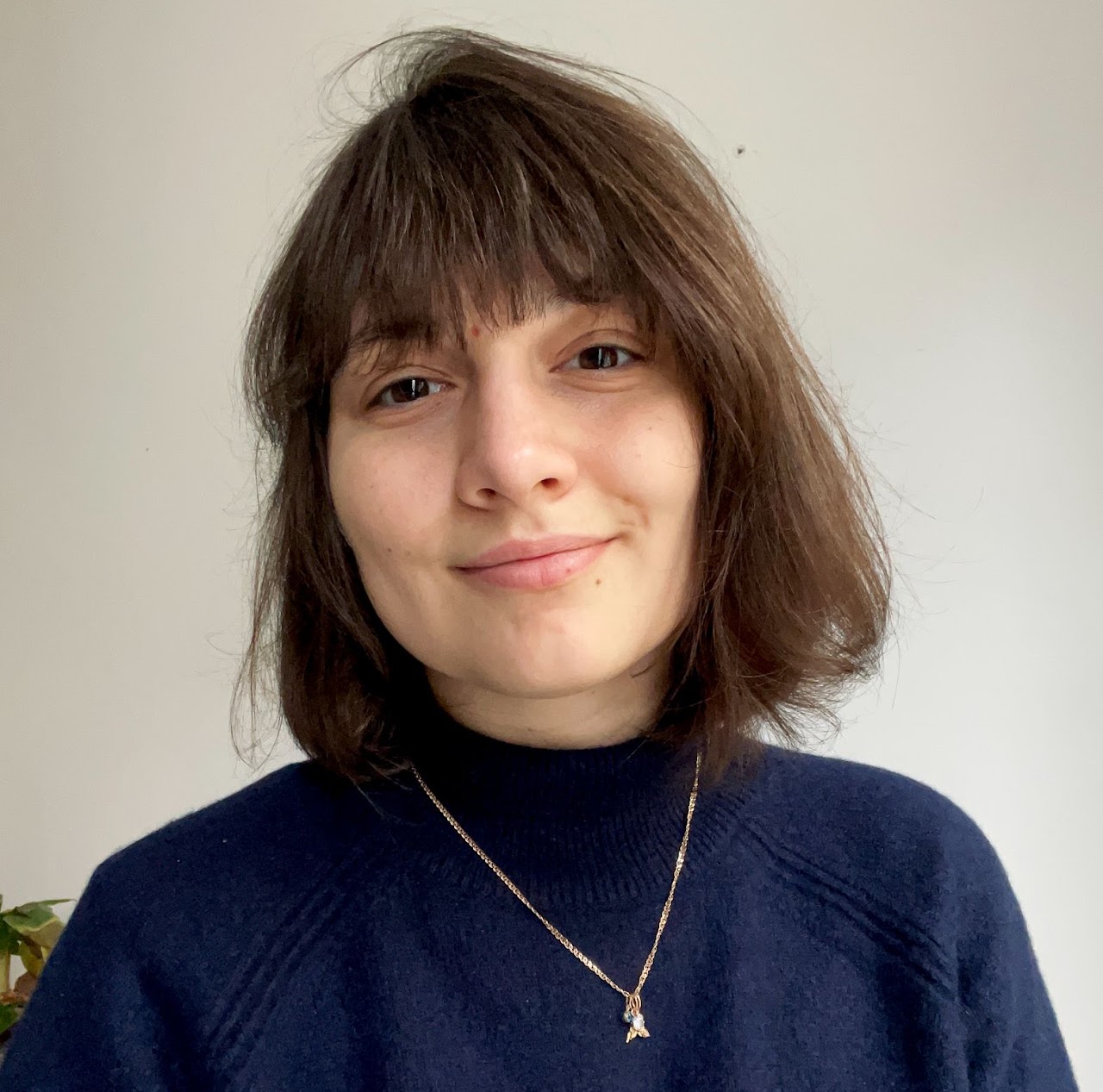
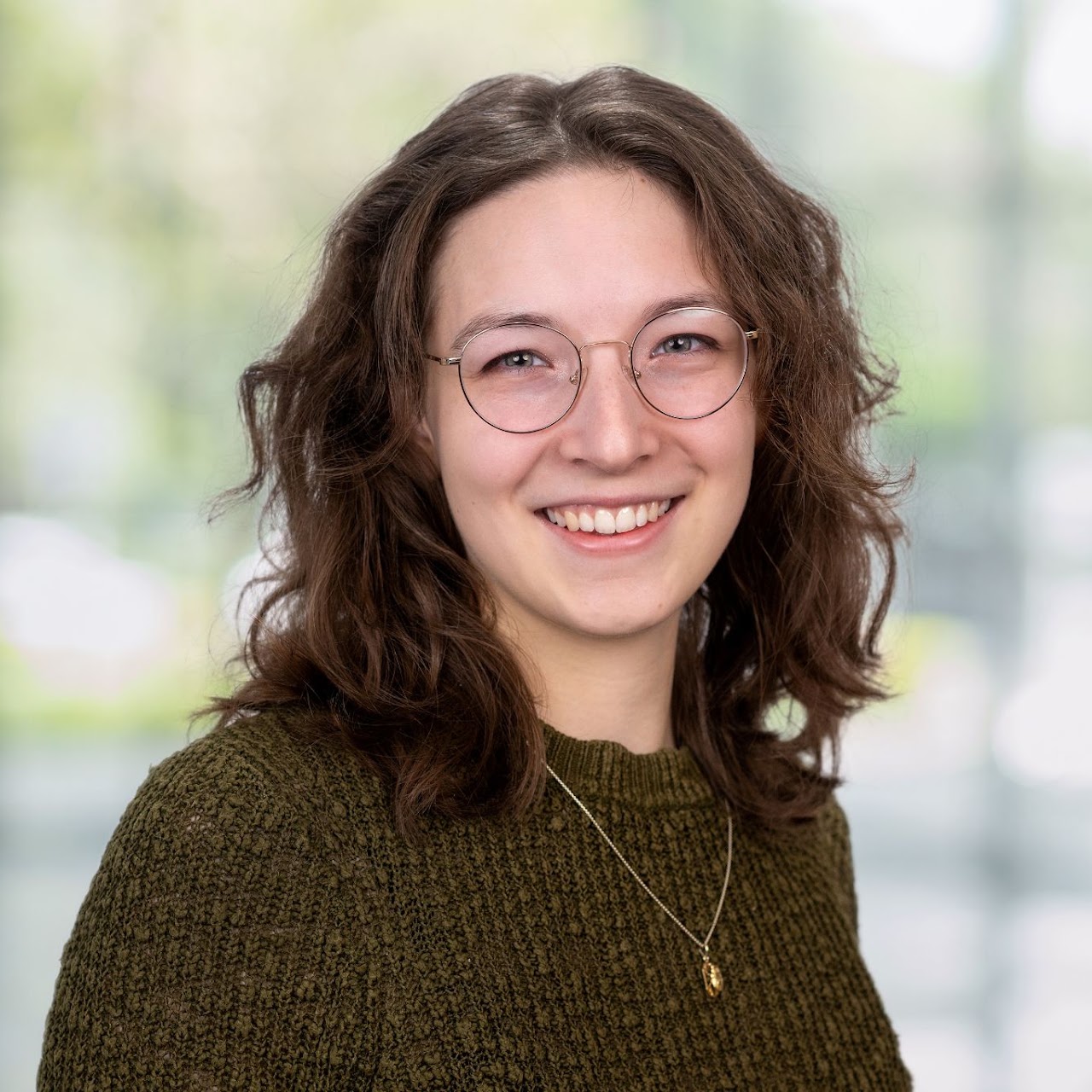
Our lab bridges clinical reality and experimental innovation to study gut microbiome function in health and disease. We focus on the small intestine (ileum) and colon, using access to ileostomy samples, Parkinson’s disease cohorts, and novel hydrogel/motility models. This approach allows us to reveal microbial processes that are difficult to capture with standard models, connecting patient biology with mechanistic insight.
What we do
We are an interdisciplinary research team dedicated to exploring the complexities of microbial interactions and their significant impact on the well-being of the holomicrobiome, all while upholding scientific integrity and fairness. We combine experimentation, analytical chemistry, microbiology, and bioinformatics to study microbial adaptation and responses to diverse stimuli. Our research spans both the small intestine (ileum) and colon, with access to ileostomy samples, Parkinson’s disease cohorts, and novel hydrogel/motility models. We investigate disease models, including Parkinson’s disease and inflammatory bowel disease, comparing bacterial responses with healthy counterparts to understand gut health and adaptation. Additionally, we design synthetic microbial communities and leverage them to engineer more effective strategies for microbiome reprogramming.
How we do it
Experimental approaches
We are experimentalists leveraging our expertise in analytical chemistry, microbiology, and bioinformatics to better understand the microbiome and its impact on human health. To do this our lab is equipped with an anaerobic culture cabinet allowing for cultivation of gut organisms. We further use liquid chromatography and mass-spectrometry techniques to investigate the metabolism of diverse microbiome members, as well as cell culture screening assays to study the host effects of these metabolites.
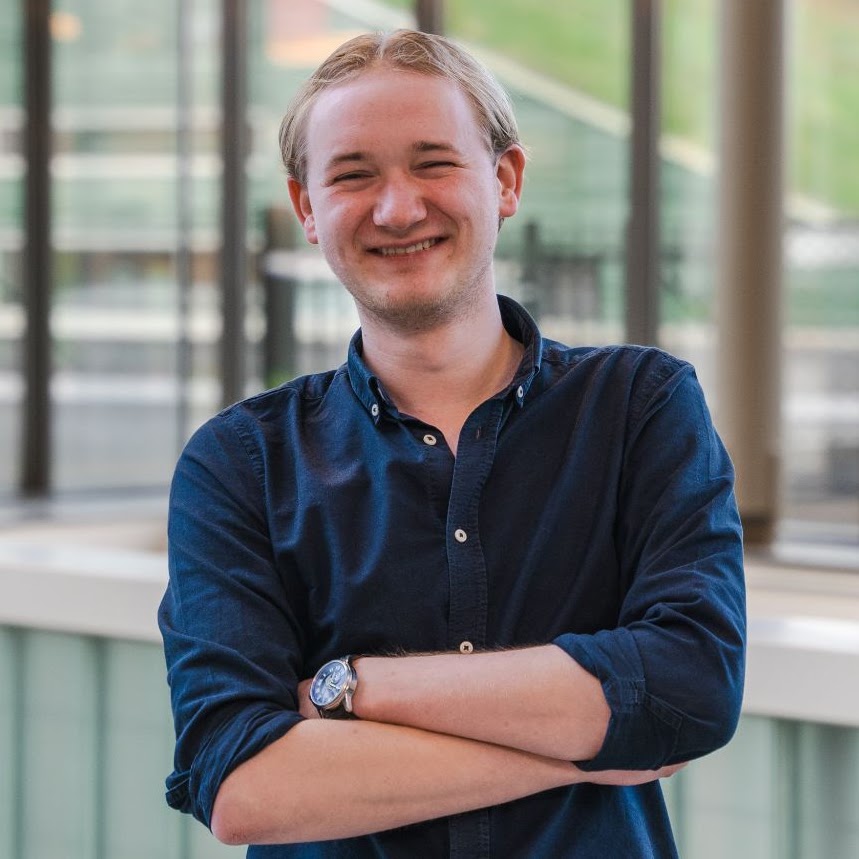
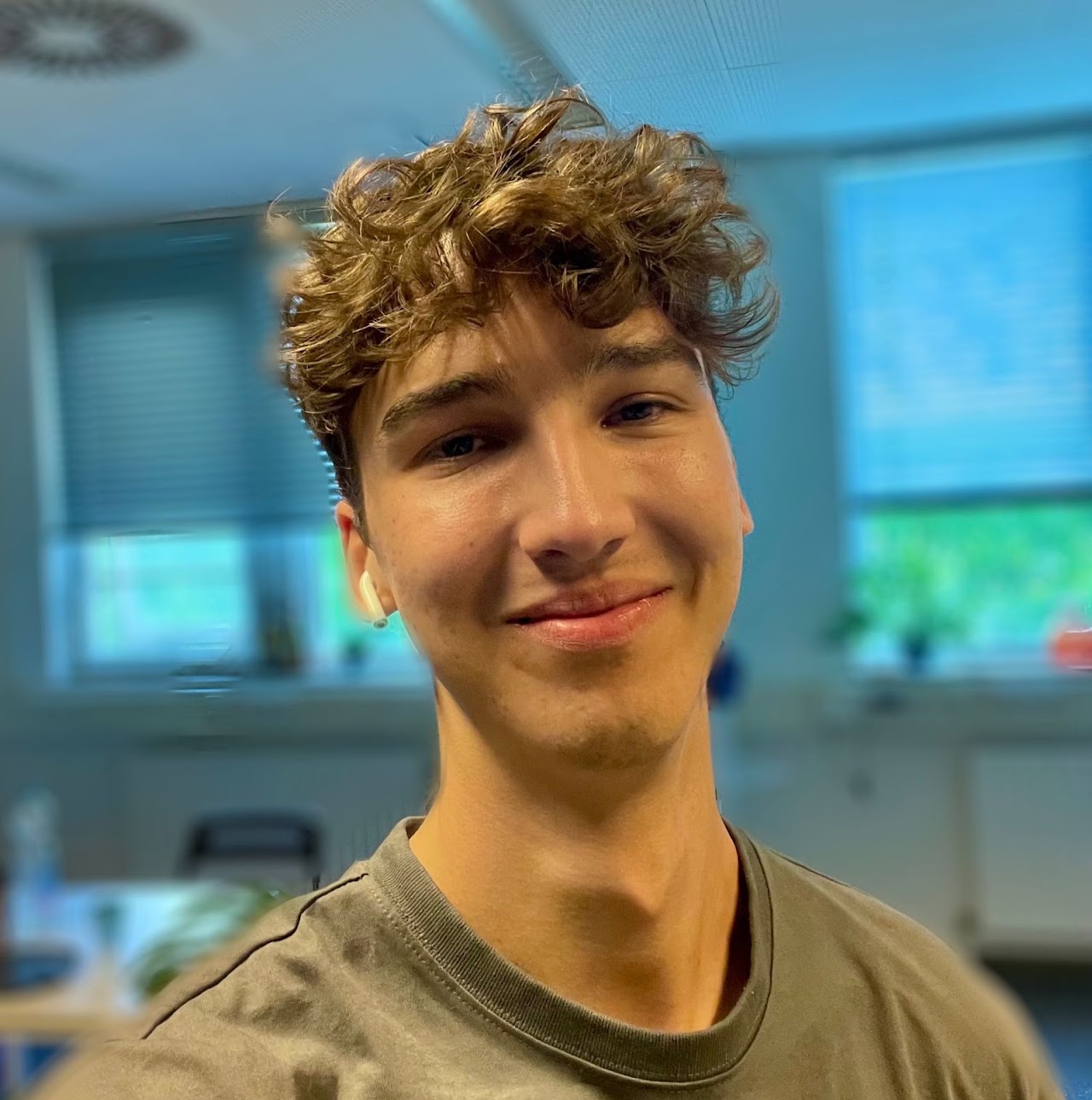
Markus has developed an ex-vivo model to study gut motility. He also investigates the role of specific bacteria in the development of post-infectious IBD and their relation to the host
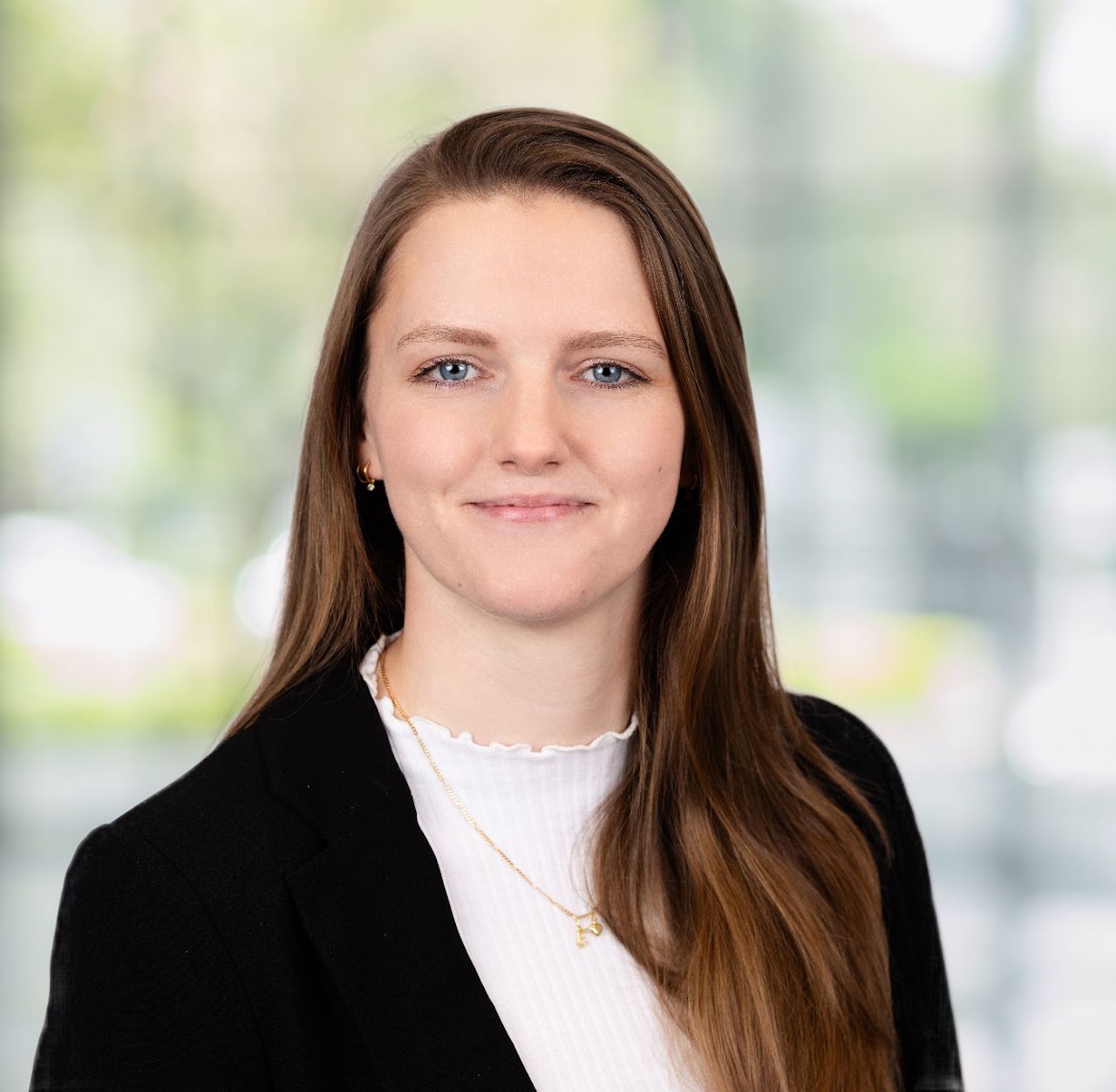
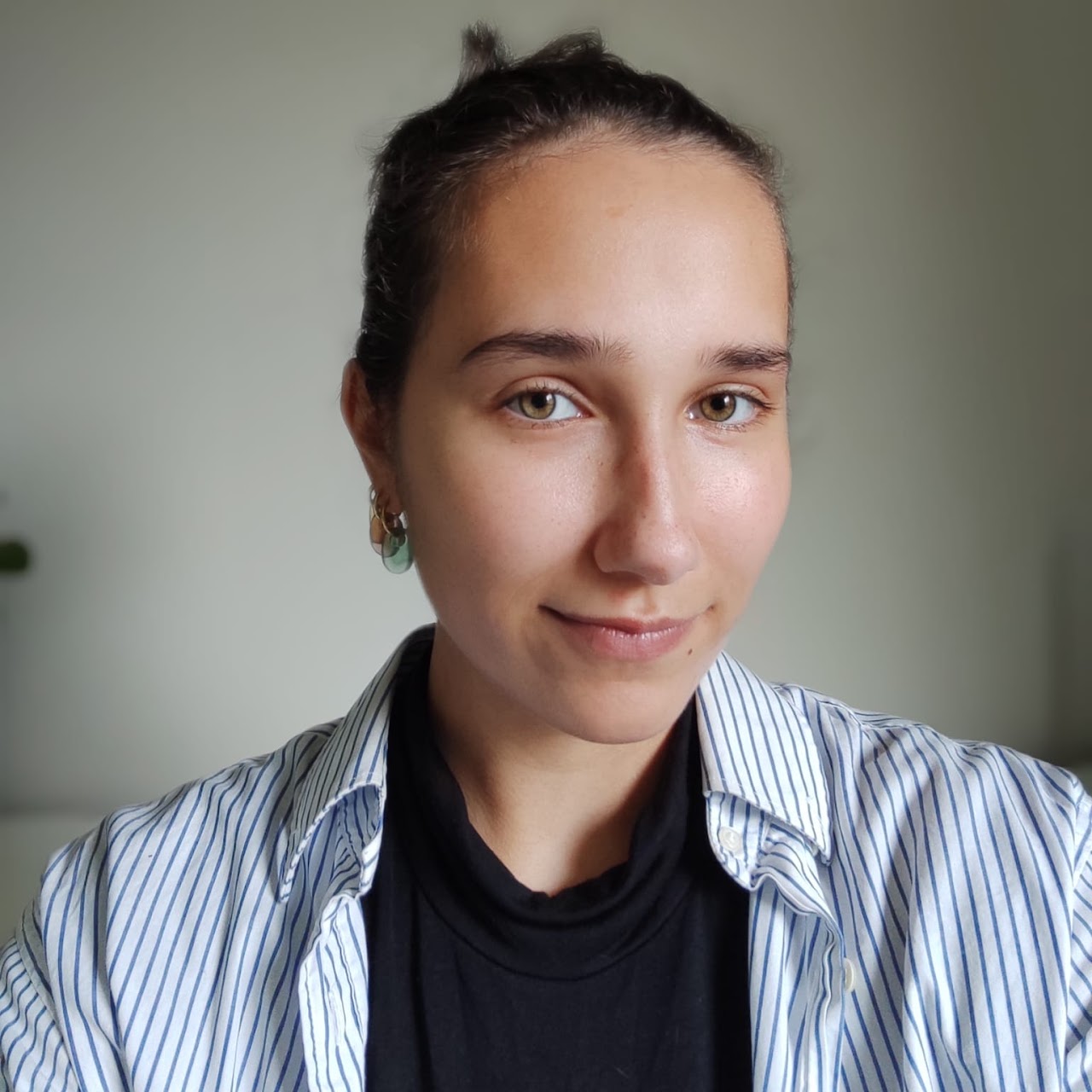
Johanna focuses on identifying key microbes involved in a specific metabolic process, elucidating their functional roles, and examining their implications for human health, particularly in conditions like inflammatory bowel disease.
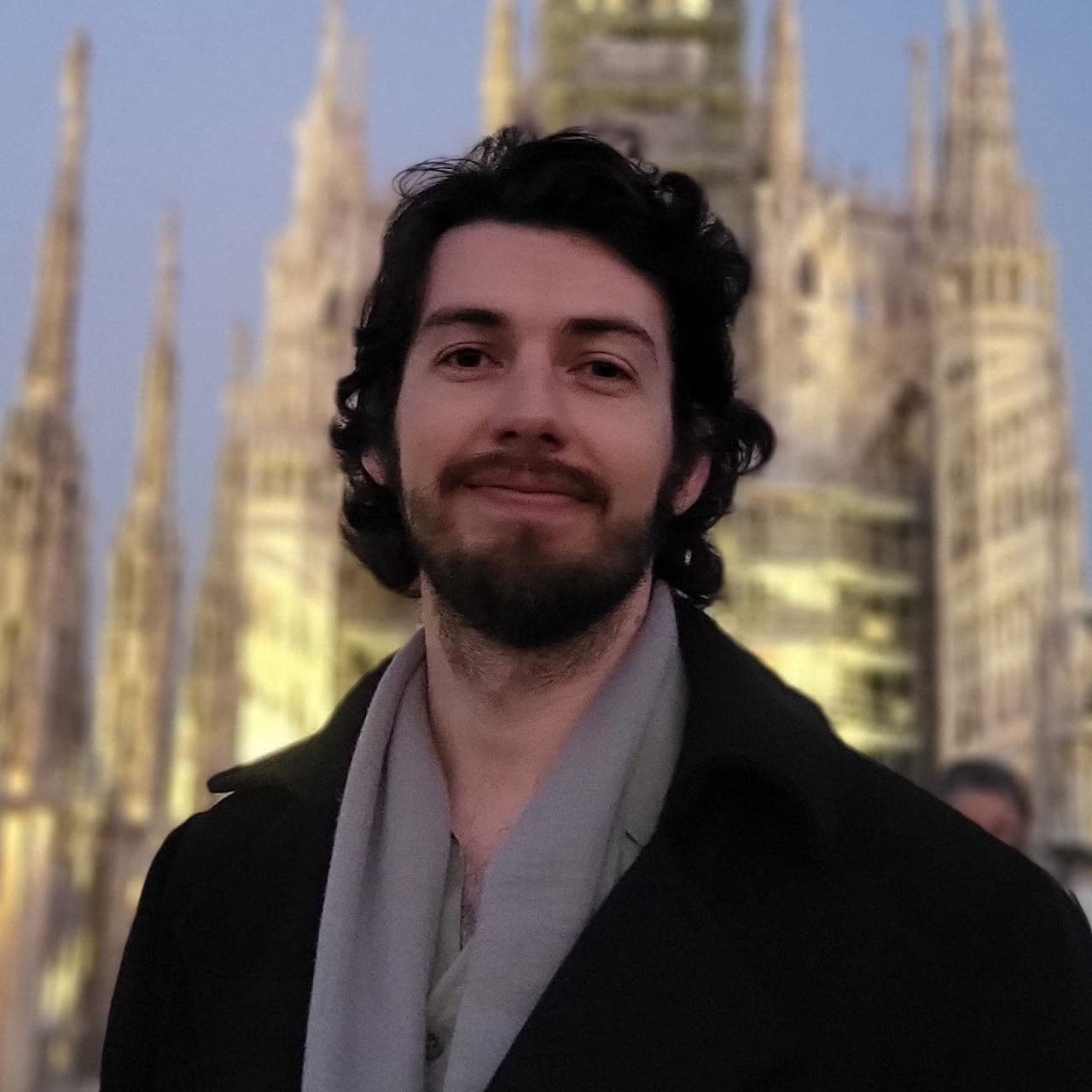
Mink develops hydrogel models and aims to study the evolutionary adaptations of specific bacteria in the dynamic gut environment, particularly under altered conditions in people with Parkinson’s disease.
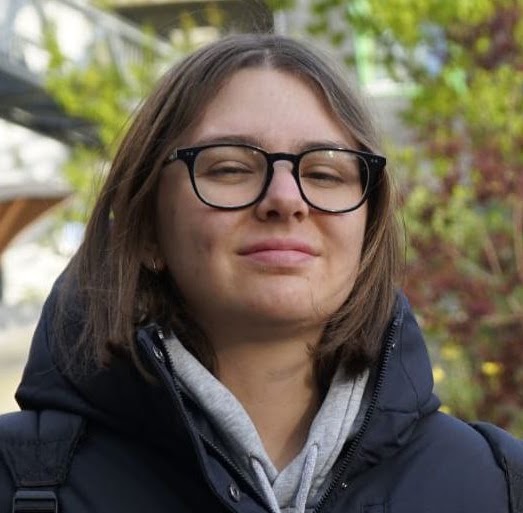
MSc student in Industrial Biomolecular Biotechnologies at the Università degli Studi di Palermo. Maria joined our lab in November 2025, as an Erasmus + trainee.
Stevie Tilon
MSc student
MSc student in Biomedical Sciences at the Vrije Universiteit Amsterdam, specializing in immunology and neurobiology. Stevie joined us in March 2026.
Gruia Manu-Marin
MSc student
MSc student in Plan Biotechnology at the Wageningen University & Research, specializing in Plants for Human Health. Gruia has joined us in April 2026.
Willow O'Brien
MSc student
MSc student in Biomedical Sciences at the Universiteit van Amsterdam, specializing in infection and immunity. Willie has joined us in June 2026.
Selected publications
van Kessel, S. P., Frye, A. K., El-Gendy, A. O., Castejon, M., Keshavarzian, A., van Dijk, G., & El Aidy, S.. Gut bacterial tyrosine decarboxylases restrict levels of levodopa in the treatment of Parkinson's disease. Nature Communications (2019).Link
Waclawiková, B., Bullock, A., Schwalbe, M., Aranzamendi, C., Nelemans, S. A., van Dijk, G., & El Aidy, S.. Gut bacteria-derived 5-hydroxyindole is a potent stimulant of intestinal motility via its action on L-type calcium channels. PLoS Biology (2021).Link
Jansma, J., Chatziioannou, A. C., Castricum, K., van Hemert, S., & El Aidy, S.. Metabolic network construction reveals probiotic-specific alterations in the metabolic activity of a synthetic small intestinal community. mSystems (2023).Link
González-Dávila, P., Schwalbe, M., Danewalia, A., Wardenaar, R., Dalile, B., Verbeke, K., Mahata, S. K., & El Aidy, S.. Gut microbiota transplantation drives the adoptive transfer of colonic genotype-phenotype characteristics between mice lacking catestatin and their wild type counterparts. Gut Microbes (2022).Link
Bunt, D., Swalbe, M., Hayeeawaema, F., El Aidy, S.. Gut microbiota-mediated conversion of mangiferin to norathyriol alters short chain fatty acid and urate metabolism. Gut Microbes (2025).Link
Sieders, M., Jones, L., Candry, P., El Aidy, S.. Hydrogel-based experimental models of the gastrointestinal tract. Microbiome (2025).Link
Grundeken, E., El Aidy, S.. Enteroendocrine cells: The gatekeepers of microbiome-gut-brain communication. npj Biofilms and Microbiomes (2025).Link